Masumi

History

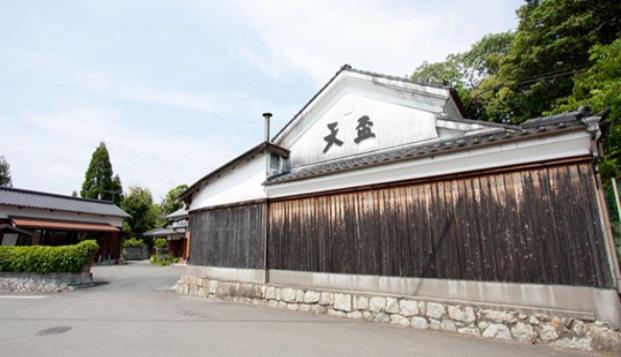
The Miyasaka family served as samurai to the lords of Suwa area. However, following years of strife between the Suwa clan and warlords Takeda Shingen and Oda Nobunaga during the Warring States period (16th century), the family gave up its swords and turned to sake making in 1662. The brand name, ""Masumi"", was later used during the Edo period (1603-1867), named after the treasure of Suwa Grand Shrine, the Mirror of Masumi (or the Mirror of Truth). Over the centuries, the brewery continues to tribute their sakes as an offering to the shrine.

Between the end of the Edo period (1860's) to the Taisho period (1912-1926), the brewery struggled in financial maintenance, relying on tea leaf business to support their family. Times were so hard that the family considered closing the brewery for good, but the young president Masaru Miyasaka refused, and instead brashly appointed an equally young brewery worker named Chisato Kubota as the new master brewer. The two embarked on annual pilgrimages throughout Japan to learn from the best sake makers of the era to fulfill their dream of making the best quality Japanese sake.

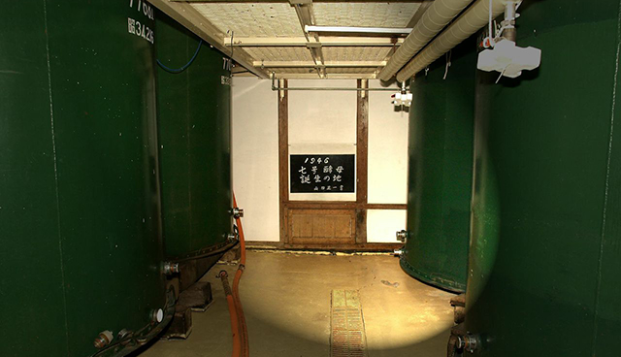
Throughout the long journey, Masumi sakes were finally recognized in Japan during the 1940s with multiple gold awards in Japan Sake Awards, and further boosted the brewery status among the sake industry after the discovery of Yeast No. 7 in 1946. The brewery would expand their opereation and continuously develop their brewing techniques in the following years, standing firmly in the belief of offering best quality Japanese sakes.

Suwa is a highland basin in Nagano Prefecture surrounded by Yatsugatake Range, Mount Tateshina, and the Kirigamine Highlands. Its natural crown jewel, the Lake Suwa, and beautiful sceneries in different seasons are often complimented as "Switzland of the East". In historical and cultural features, the area is widely known for the Winter Olympic in 1998, as well as the Koshu Kaido (Street of Koshu), a route extends from Tokyo, Yamanashi and Nagano Prefecture. 5 of the Nagano's sake breweries, including Masumi, are all located in this same route in Suwa, a rare scenery of "brewery street" among Japan. Masumi sake benefits directly from the region’s clean air, pure water, and long cold winters, providing an ideal place for sake brewing.
Each day, our tables become the places for community with various meals, and for Miyasaka Brewery, Japanese sake is the medium to connect the dots. The brewery hopes to brighten the spotlight of sake via pairing with different cuisines and more importantly, the terroir of Nagano. Throughout the long journey of 300 years above, new chapters of Masumi sake will continue to open the doors of innovation by intertwining with historical and cultural perspectives.
Rather than creativity and surprise, Miyasaka brewery wishes to express its sakes with a subconscious level of enjoyment. It is a philosophy of former president Masaru Miyasaka, which had been passed down generation after generation. To reach to such standards, each bottle of sake is crafted to match perfectly with our daily meals.

Other Brewery Introduction